1. Feeding the Wrong Diet
Different animals have different nutritional needs. Food suitable for a dog may be harmful to a cat, while rabbits and hamsters require diets designed specifically for their species. Your pet’s age, size, activity level, and health should also influence what and how much they eat. Avoid guessing portion sizes or regularly sharing human food. Instead, choose a species-appropriate diet and ask your veterinarian for advice. The World Small Animal Veterinary Association recommends including nutrition and body condition in every veterinary health assessment.
2. Giving Too Many Treats
Treats are useful for training and bonding, but offering too many can lead to weight gain and an unbalanced diet. Small pieces can contain more calories than pet owners expect. Use treats in moderation and adjust your pet’s regular food when necessary. Healthy attention, playtime, and praise can also be rewarding without adding extra calories.
3. Forgetting About Fresh Water
Pets need continuous access to clean, fresh water. Dirty bowls may collect food particles, saliva, and bacteria, while insufficient water can contribute to dehydration. Replace the water regularly and wash the bowl every day. Place it somewhere clean, cool, and easy to reach. If your pet suddenly drinks much more or less than usual, speak with a veterinarian because this may indicate a health problem.
4. Skipping Regular Veterinary Check-Ups
Some animals hide pain and illness extremely well. Waiting until your pet appears seriously unwell may allow a manageable condition to become more difficult to treat. Routine examinations help veterinarians monitor weight, teeth, vaccinations, parasite prevention, and general health. According to the American Veterinary Medical Association, regular check-ups can help identify problems before they become more serious.
5. Ignoring Dental Care
Bad breath is often treated as normal, but persistent unpleasant breath can be connected to dental or gum problems. Without appropriate care, plaque and tartar may cause pain, infection, and difficulty eating. Ask your veterinarian how to care for your pet’s teeth safely. Depending on the animal, recommendations may include brushing, suitable dental products, or professional cleaning. Never use human toothpaste unless a veterinarian specifically instructs you to do so.
6. Providing Too Little Exercise or Enrichment
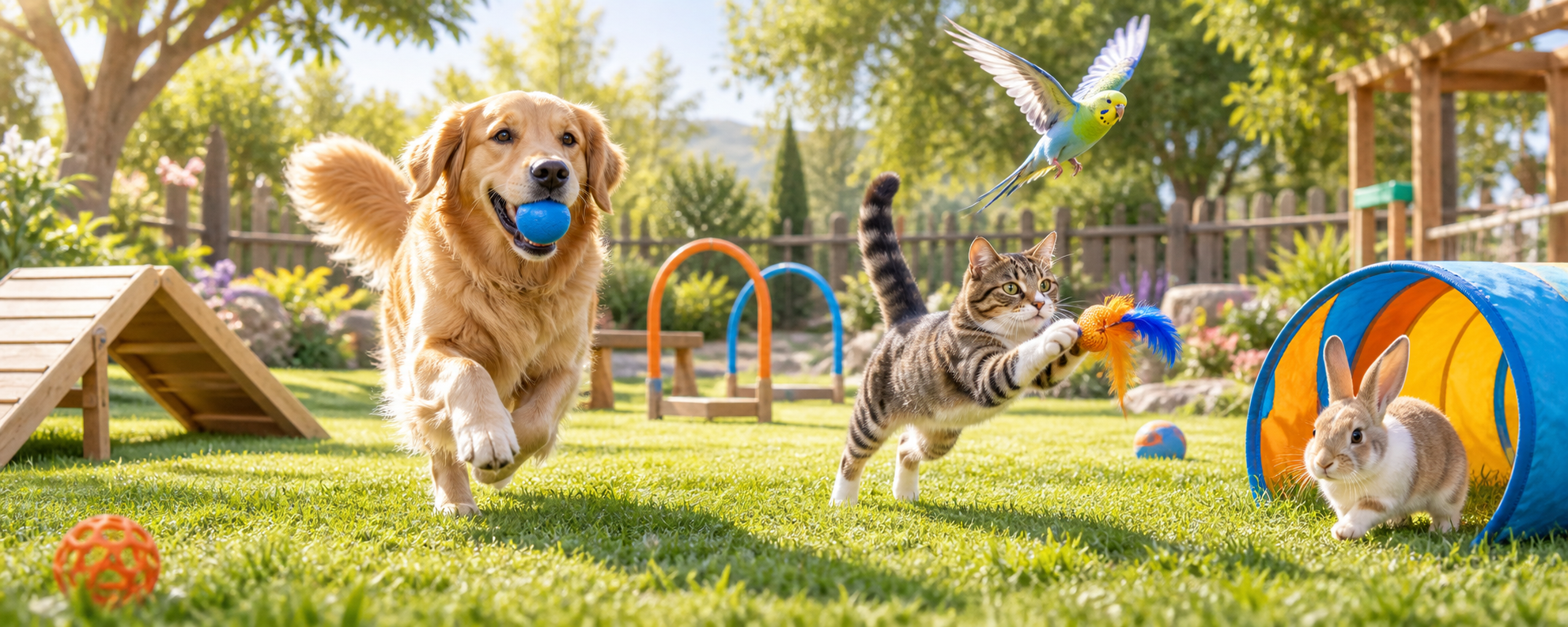
Food and shelter are not enough to keep an animal fully healthy. Pets also need suitable physical activity, mental stimulation, and opportunities to express their natural behaviours. Dogs may enjoy walks and scent-based games, while cats often benefit from climbing areas and interactive toys. Rabbits need room to explore and chew safely, and birds require appropriate social interaction and enrichment. Choose activities suited to your pet’s species, age, health, and personality. Rotate toys occasionally to keep their environment interesting.
7. Neglecting Grooming and Hygiene
Regular grooming helps keep your pet comfortable and gives you an opportunity to notice lumps, skin irritation, parasites, or injuries. However, bathing too frequently or using unsuitable products may irritate the skin. Brush your pet as appropriate for its coat, maintain clean bedding and living areas, and use only pet-safe grooming products. Persistent body odour should not simply be covered with perfume—it may come from the skin, ears, mouth, or another health issue. Consult a veterinarian if the smell is sudden, strong, or does not improve with normal hygiene.
8. Sharing Unsafe Human Foods
Sharing food may feel like an act of love, but some everyday ingredients can be dangerous to animals. Chocolate, grapes, raisins, onions, garlic, alcohol, and products containing xylitol are among the foods that may harm dogs or cats. Bones can also cause choking, injury, or intestinal blockage. Keep unsafe food securely stored and make sure everyone in the household knows what the pet must not eat. If you think your animal has swallowed something dangerous, contact a veterinarian immediately. The ASPCA’s food-safety guide provides additional information about common risks.
9. Overlooking Behavioural Changes
A change in behaviour can be one of the earliest signs that something is wrong. Hiding, aggression, unusual vocalisation, reduced appetite, low energy, or changes in toilet habits should not be dismissed as bad behaviour. Observe your pet’s normal routine so that unusual changes are easier to recognise. Record when the behaviour started and contact your veterinarian if it continues or appears alongside other symptoms.
10. Using the Same Care Routine for Every Animal
Every pet is an individual. A routine that works for one animal may not suit another—even when they are the same species or breed. Pay attention to your pet’s preferences, energy level, medical history, and response to different routines. Introduce changes gradually and seek professional guidance when you are uncertain. A Simple Way to Support Everyday Freshness Alongside good nutrition, grooming, and regular cleaning, KienkoPet Essence can be added to your pet’s daily routine to help manage unpleasant odours from the body and waste. Its organic, lab-tested formula is suitable for cats, dogs, rabbits, hamsters, birds, and other animals. Simply follow the recommended directions on the product label when adding it to your pet’s drinking water. KienkoPet complements responsible pet care by helping your companion stay fresher from within. However, it should not replace regular hygiene or veterinary attention. If your pet develops a sudden or persistent odour, consult a veterinarian to rule out an underlying health concern. Discover a fresher daily routine with Kienkopet