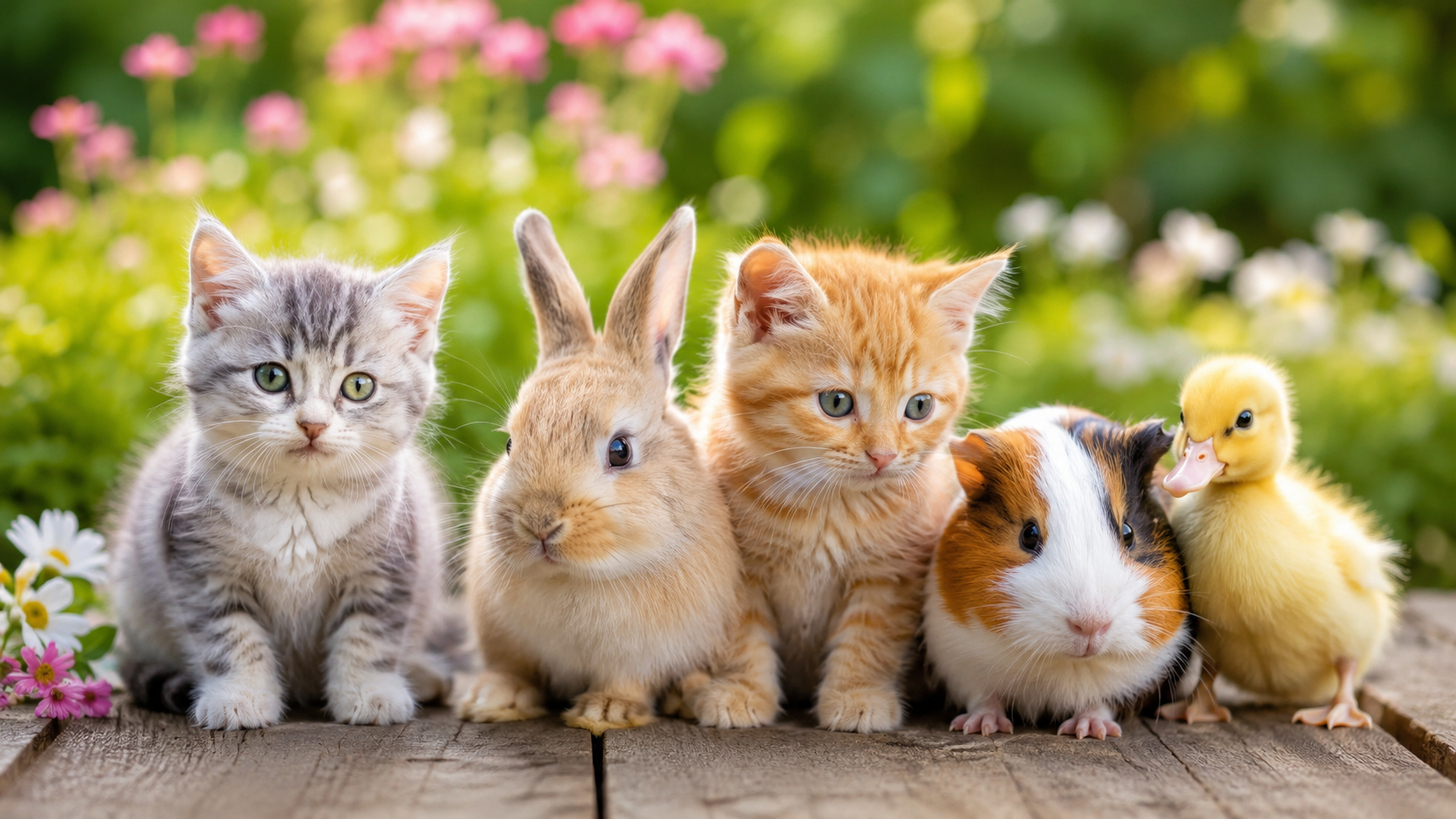
A healthy digestive system is one of the most important signs of a happy and well-cared-for pet. Whether you have a cat, dog, rabbit, or other companion animal, good digestion affects their energy, mood, appetite, coat condition, and overall wellbeing. When your pet’s stomach and intestines are working properly, nutrients are absorbed better, waste is passed comfortably, and the body can function at its best.
1. Feed a Balanced and Suitable Diet
The foundation of good digestion starts with the food your pet eats every day. Choose a high-quality diet that is suitable for your pet’s species, age, size, and health condition. Puppies, kittens, adult pets, and senior pets all have different nutritional needs.
Avoid giving your pet too many table scraps, oily foods, spicy food, chocolate, onions, garlic, or anything that may upset their stomach. Sudden changes in food can also cause diarrhea or vomiting, so introduce new food gradually over several days.
2. Provide Fresh Water at All Times
Water plays a major role in digestion. It helps soften stool, supports nutrient absorption, and keeps the digestive tract moving smoothly. Make sure your pet always has access to clean, fresh water, especially during hot weather or after exercise.
For cats, who sometimes drink less water, wet food or a pet water fountain may encourage better hydration.
3. Watch Their Stool
Your pet’s stool can tell you a lot about their digestive health. Healthy stool is usually firm, well-formed, and easy to pass. Very watery stool, hard dry stool, mucus, blood, or a sudden change in smell may indicate a digestive issue.
Occasional mild changes can happen, but if diarrhea, constipation, vomiting, or loss of appetite continues for more than a day or two, it is best to speak with a veterinarian.
4. Avoid Overfeeding
Overfeeding can put pressure on your pet’s digestive system and may lead to obesity, bloating, vomiting, or loose stool. Follow feeding guidelines on pet food packaging, but remember that every animal is different. Activity level, breed, age, and metabolism all affect how much food your pet needs.
It is better to feed consistent portions at regular times rather than giving unlimited food throughout the day, unless advised otherwise by your vet.
5. Support Gut Health With the Right Supplements
Some pets may benefit from digestive supplements such as probiotics, prebiotics, or fiber-based products. These can help support healthy gut bacteria and improve stool quality. However, supplements should be chosen carefully because not every product is suitable for every pet.
Always use pet-safe products and consult your veterinarian before introducing new supplements, especially if your pet has allergies, chronic illness, or is taking medication.
6. Keep Your Pet Active
Exercise helps stimulate digestion and supports a healthy metabolism. Dogs benefit from daily walks and playtime, while cats can stay active through toys, climbing trees, and short interactive play sessions.
Regular movement can also reduce stress, which is important because stress can affect digestion and appetite.
7. Prevent Hairballs and Ingested Foreign Objects
Cats may develop digestive discomfort from hairballs, especially if they groom frequently. Regular brushing can reduce the amount of hair they swallow. Dogs and cats may also accidentally swallow toys, strings, plastic, bones, or other objects that can cause serious digestive blockages.
Keep unsafe items out of reach and choose toys that are durable and suitable for your pet’s size.
8. Maintain Regular Deworming and Vet Checks
Parasites such as worms can disturb digestion, reduce nutrient absorption, and cause weight loss, vomiting, or diarrhea. Regular deworming, parasite prevention, and veterinary checkups are important parts of digestive care.
Your vet can also detect underlying issues early, such as food intolerance, infections, dental problems, or digestive diseases.
9. Reduce Stress
Pets can experience digestive problems when they are stressed. Changes in environment, loud noises, new pets, travel, or separation anxiety can affect their appetite and stool. Try to provide a calm, stable routine and a safe space where your pet can relax.
For sensitive pets, gradual changes and gentle handling can make a big difference.
10. Know When to Seek Veterinary Help
Some digestive symptoms should not be ignored. Contact a veterinarian if your pet has repeated vomiting, severe diarrhea, blood in stool, bloated abdomen, sudden weight loss, refusal to eat, extreme tiredness, or signs of pain.
Early treatment can prevent small digestive problems from becoming serious health issues.
Conclusion
Keeping your pet’s digestion in good condition requires consistent care, proper nutrition, hydration, exercise, and attention to changes in behavior or stool. A healthy gut supports a healthier, happier pet. By feeding the right food, maintaining a stable routine, and visiting the vet regularly, you can help your pet enjoy better comfort, better energy, and a better quality of life.