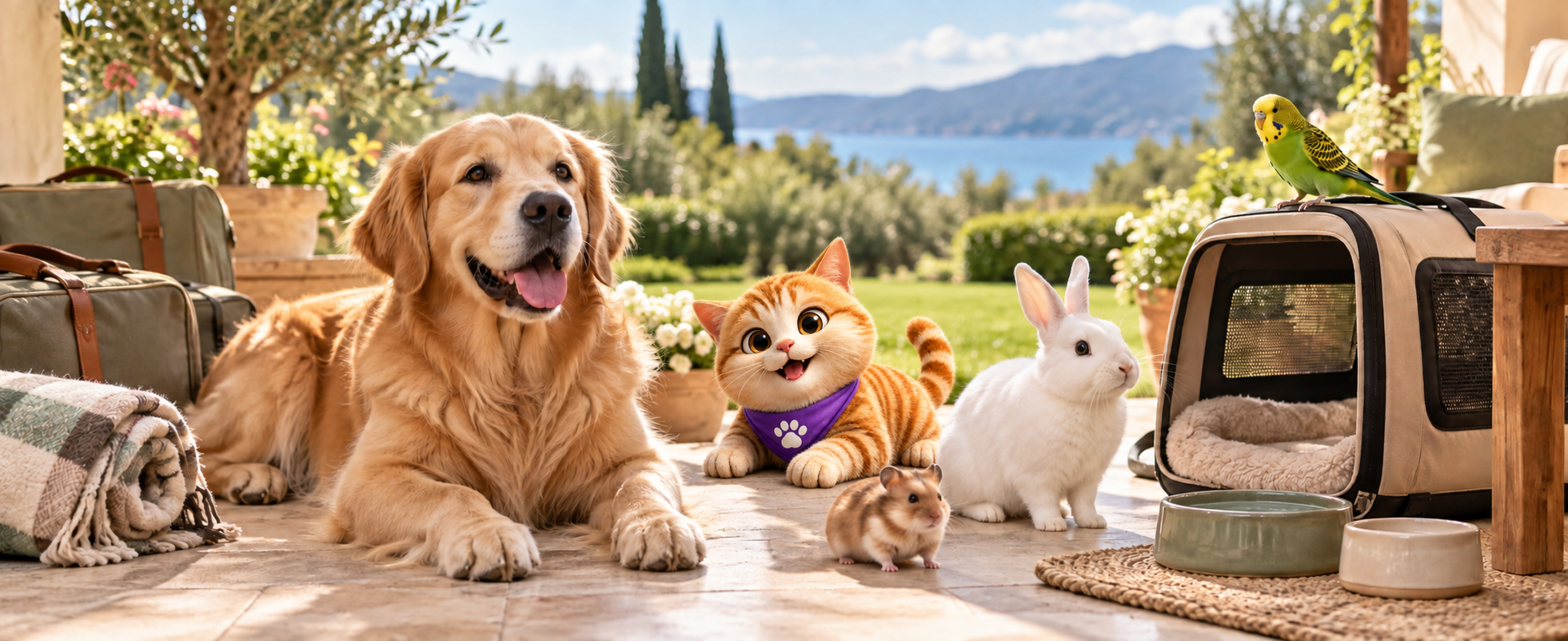
1. Consider Whether Your Pet Is Ready to Travel
Not every pet enjoys travelling. Age, health, personality and previous experiences can affect how well an animal handles a journey. Before planning a long trip, observe how your pet responds to carriers, vehicles, strangers and unfamiliar places. Senior animals, young pets, flat-faced breeds and pets with existing health conditions may require additional care. Consult your veterinarian if you are unsure whether your pet is fit to travel.
2. Arrange a Veterinary Check-Up
Schedule a veterinary appointment before a long-distance or international journey. Your veterinarian can check your pet’s general health, update vaccinations and recommend appropriate parasite prevention. If you are travelling internationally, your pet may require permits, vaccination records, microchip information and a Veterinary Health Certificate. Entry requirements vary between destinations and transport providers. Begin preparing early because some vaccinations, permits, blood tests and health checks may take several weeks or months to complete. Check the latest requirements with the relevant authorities and your chosen airline before travelling.
3. Update Your Pet’s Identification
Make sure your pet wears a secure identification tag containing your current telephone number. If your pet is microchipped, check that the registered contact information is correct. Keep a recent photograph of your pet on your phone. Carry digital and printed copies of important documents, including vaccination records, health certificates and travel permits. These precautions can make it easier to identify and recover your pet if you become separated during the journey.
4. Choose Pet-Friendly Accommodation
Before making a reservation, confirm that your hotel, homestay or holiday property allows pets. Do not assume that every pet-friendly accommodation accepts all animals or breeds. Ask about: • Additional pet fees or deposits • Size or breed restrictions • Rules for shared spaces • Nearby areas for exercise and toilet breaks • Whether pets can be left alone in the room Check recent reviews from other pet owners when possible. This can give you a better idea of how suitable and secure the property is.
5. Help Your Pet Get Used to Its Carrier
Do not introduce a carrier only on the day of travel. Place it in a familiar area several days or weeks beforehand and allow your pet to explore it voluntarily. Add comfortable bedding and a favourite toy inside. Treats and praise can help your pet develop a positive association with the carrier. The carrier should be secure, well ventilated and large enough for your pet to stand, turn around and lie down comfortably. If you are travelling by air, confirm the airline’s latest requirements before purchasing a carrier. The International Air Transport Association also provides general guidance on suitable animal travel containers.
6. Practise With Short Car Journeys
Help your animal become familiar with vehicle movement before attempting a long road trip. Begin with short drives around your neighbourhood and gradually increase the duration. Cats, rabbits, birds and small animals should remain inside secure carriers. Dogs should travel in an appropriate carrier or wear a properly fitted vehicle safety harness. Secure the carrier so that it cannot move during sudden stops. Never allow an animal to roam freely inside the vehicle or place its head outside an open window.
7. Protect Your Pet From Hot Weather
Cars can become dangerously hot within minutes, even when parked in the shade or with the windows partly open. Never leave your pet unattended inside a parked vehicle. Travel during cooler parts of the day when possible. Keep the vehicle at a comfortable temperature and ensure your pet has access to clean drinking water during suitable rest stops. Watch for signs of overheating, including excessive panting, drooling, weakness, confusion or vomiting. Move the animal to a cooler area and seek urgent veterinary assistance if you suspect heatstroke.
8. Prepare a Pet Travel Kit
Pack a separate bag containing everything your pet may need: • Regular food and clean drinking water • Food and water bowls • Prescribed medication • Leash, harness or carrier • Waste bags, litter and cleaning supplies • Bedding and familiar toys • Grooming essentials • Veterinary and travel documents • A basic pet first-aid kit Bring enough of your pet’s usual food for the entire journey when possible. A sudden diet change in an unfamiliar environment may contribute to digestive discomfort.
9. Keep Your Pet Fresh During the Journey
Travel, warm weather and changes in routine can make it more challenging to keep your pet and its surroundings fresh. Clean the carrier regularly, replace soiled bedding and manage waste promptly. Alongside good hygiene, KienkoPet Essence can be included in your pet’s regular routine to help manage unpleasant odours from the body and waste. Its organic, lab-tested formula is suitable for cats, dogs, rabbits, hamsters, birds and other animals. Follow the recommended directions on the product label. Introduce any new addition to your pet’s routine before the trip rather than on the day of departure. This gives you time to observe how your pet responds. KienkoPet can help support everyday freshness from within, but it should not replace cleaning, grooming or veterinary care. A sudden or unusually strong odour may indicate an underlying health concern and should be checked by a veterinarian.
10. Maintain a Familiar Routine
Pets often feel safer when their daily schedule remains predictable. Try to maintain their normal feeding, exercise, play and sleeping times. Bring familiar items such as a bed, blanket or toy carrying the scent of home. Avoid introducing several new foods, treats or products during the journey. If your pet becomes nervous, stay calm and speak gently. Never punish an animal for fear-related behaviour, vocalisation or toilet accidents.
11. Introduce the New Environment Gradually
When you arrive, give your pet time to adjust. Begin with a quiet, secure area containing its food, water, bed, toys and toilet facilities. Allow your pet to explore at its own pace. Avoid immediately introducing it to many people, animals or rooms. Cats and smaller pets may need several days to feel confident in a new environment. Check the area for hazards such as: • Open doors, windows or balcony gaps • Toxic plants • Electrical cables • Cleaning chemicals • Pest-control products • Small objects that could be swallowed Balconies, gardens and open-air spaces may also expose pets to insects, stray animals and escape risks. Supervise them closely.
12. Monitor Your Pet After Arrival
Observe your pet’s appetite, water intake, energy, behaviour and toilet habits after reaching your destination. Temporary nervousness may be expected, but ongoing vomiting, diarrhoea, breathing difficulty, extreme tiredness or refusal to eat should not be ignored. Locate a veterinary clinic near your accommodation before travelling and save its contact details. Never give your pet sedatives or human medication without veterinary direction. The International Air Transport Association advises against sedating pets for air travel unless there is a valid medical reason and the medication is administered under professional supervision.
Conclusion
A comfortable journey starts with early planning. By preparing the correct documents, protecting your pet from hot weather and introducing new surroundings gradually, you can help your companion travel more safely and confidently. For additional everyday freshness during your adventures, make KienkoPet Essence part of your pet’s regular care routine.